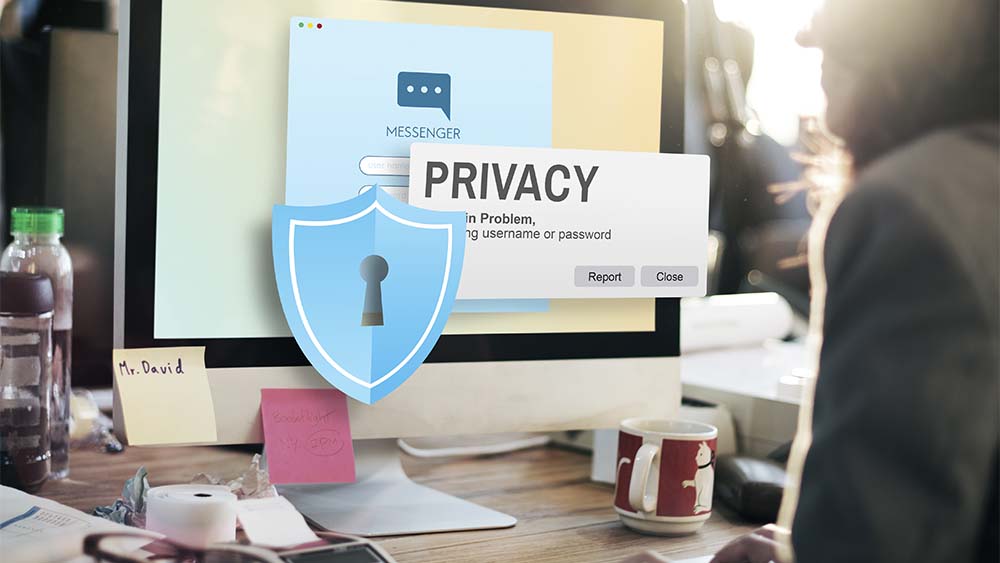

Chatbots have revolutionized the way companies interact with their customers. From customer service to personal suggestions, they’ve become an essential component to the modern digital world. But, as with any other powerful technology, chatbots are also able to be misused. Criminals are increasingly using chatbots to perpetrate sophisticated scams, which makes it harder than ever to discern between legitimate interactions and fraudulent intentions.
We’ll look at the methods hackers employ to make use of chatbots to extort users and the most popular techniques they employ, and the steps you can take to ensure your security online.
Why Hackers Are Turning to Chatbots
Hackers are always searching for easy, scalable ways to reach a large number of users. Chatbots offer exactly that. They’ve been an increasingly popular tool for cybercriminals:
- Automation on a massive scale Chatbots can communicate with thousands of users simultaneously.
- 24 hours a day Contrary to human scammers, bots don’t go to sleep.
- conversation that is human-like Advanced AI allows bots to imitate authentic conversations in a convincing way.
- Low cost High return The simplest setup could result in significant financial gains.
Common Ways Hackers Use Chatbots to Scam People
1. Phishing Scams Through Fake Support Chats
The most well-known techniques is fake customer service bots. Victims might encounter them on:
- Fake websites
- Pages on social media
- Chat windows that pop-up.
The chatbot appears to represent an authentic company. The chatbot requests sensitive information like:
- Login credentials
- Credit card details
- OTPs (One-Time Passwords)
An example: A user visits what appears to be a bank website. A chatbot appears and claims that it will “help secure your account” and asks for login credentials.
2. Impersonation of Real People or Brands
Hackers create chatbots that appear to be:
- Banks
- E-commerce companies
- Government agencies
- Even family members or colleagues
These bots are able to initiate conversations through messaging applications, making them appear genuine.
Tactic employed: Urgency and fear
- “Your account will be locked in 2 hours”
- “Suspicious activity detected–verify now”
3. Romance and Social Engineering Scams
Chatbots that are created to establish emotional bonds over time. These are typically used for:
- Platforms for dating
- Social media DMs
The bot has long conversations, builds trust and requests:
- Money transfer
- Gift cards
- Personal information
These frauds are especially risky because they rely on human emotions more than technical vulnerabilities.
4. Fake Job Offers and Recruitment Bots
The job-seekers are among the major victim. Hackers employ chatbots that
- Provide fake job opportunities
- conduct “automated interviews”
- For registration fees, or for personal information
Red flags are:
- Job offers that are instant and without proper interviews
- Demands for an upfront payment
- Poorly written job descriptions for jobs
5. Investment and Crypto Scams
Chatbots are frequently employed in fraud investment schemes. They:
- High-yielding promises with low risk
- Help users avoid investing on fake platforms
- Encourage quick deposits
These bots typically mimic “success stories” to build credibility.
6. Malware Distribution via Chat Links
Chatbots may send links in conversations which:
- Install malware
- Redirect to phishing websites
- Copy data off your device
These links could appear to be harmless like:
- “Track your package here”
- “Download your invoice”
How to Identify a Scam Chatbot
Being able to identify a bot that is malicious can help you avoid serious problems. Be aware of these warning indications:
- Requests for confidential information The truth is that legitimate companies seldom solicit passwords or OTPs in chat.
- Too too much urgency Techniques of pressure are big red signal.
- generic responses Bots can fail to answer specific or complex questions.
- Suspicious links: Hover over URLs before clicking.
- Inconsistencies or grammar issues Some scam bots have not been well-polished.
How to Protect Yourself from Chatbot Scams
1. Verify Before You Trust
Always verify whether the site or platform is legitimate. site or platform before you interact via chatbots.
2. Never Share Sensitive Information
Avoid sharing:
- Passwords
- OTPs
- Bank details
A legitimate service won’t request these through chat.
3. Check Website URLs Carefully
Check for:
- SSL encryption
- Correct domain spelling
Fake sites are often similar to authentic ones, but with slight differences.
4. Use Security Tools
Install:
- Antivirus software
- Extensions for security in the browser
They are able to block malicious links and identify threats.
5. Be Skeptical of “Too Good to Be True” Offers
If it’s a job offer or a giveaway, if it sounds like a fantasy, it’s probably.
6. Report Suspicious Activity
If you come across a fake chatbot:
- Make sure to report it on the platform
- Inform relevant authorities
- Alert Others
The Future of Chatbot Scams
Since AI’s capabilities continue to develop chatbot frauds will become more sophisticated. In the future, threats could include:
- Chatbots with voice capabilities are frauds
- Conversations using Deepfake that are aided by the technology
- Phishing attacks that are hyper-personalized
This makes educating yourself and acquiring digital literacy more essential than ever before.
Conclusion
Chatbots can be a very powerful tool, but when used in the wrong way they could pose an actual threat. Hackers are using this technology to perpetrate scams that are getting harder to spot. If you know how scams work and staying alert and alert, you can guard yourself and your loved ones from becoming a to the scammers.
Be informed, be vigilant, and be wary of chatbots to provide your personal details.
Frequently Asked Questions (FAQs)
1. Can chatbots really scam people without human involvement?
Yes. Modern chatbots powered by AI can operate fully automatically, engaging in realistic conversations, collecting sensitive data, and even guiding victims through scams without direct human control.
2. How can I tell if I’m talking to a scam chatbot or a real person?
Look for warning signs like generic replies, pressure to act quickly, requests for personal or financial information, and suspicious links. Legitimate support agents usually don’t ask for sensitive data via chat.
3. Are chatbot scams common on social media platforms?
Yes, many scammers use chatbots on platforms like messaging apps and social media to impersonate brands, friends, or recruiters. These bots often initiate conversations to trick users into sharing information or sending money.
4. What should I do if I accidentally shared information with a scam chatbot?
Immediately change your passwords, contact your bank if financial details were shared, enable two-factor authentication, and report the incident to the platform or relevant authorities.
5. Can antivirus software protect me from chatbot scams?
Antivirus tools can help detect malicious links and malware, but they cannot fully prevent social engineering scams. Staying alert and recognizing suspicious behavior is your best defense.