In the modern world of technology cybersecurity isn’t only a concern for companies as well as IT experts. From social media and online banking as well as smart phones and remote working, virtually everything we do is linked with the Internet. Cybercriminals are always seeking ways to snare your personal data, financial details, and other sensitive data.
Learning the basics security concepts can assist ensure your family’s safety, as well as yourself as well as your device from cyber-attacks. We’ll go over the most important cybersecurity concepts you should know, with practical advice to keep secure online.
What Is Cybersecurity?
Cybersecurity is the process of securing networks, systems devices, data, and systems from cyberattacks. The types of attacks include:
- Hacking
- Phishing scams
- Malware infections
- Identity theft
- Data breach
- Ransomware attacks
The aim for cybersecurity should be to stop unauthorised access and reduce the threat of cyber-attacks.
Why Cybersecurity Matters
Cybercrime is growing quickly all over the world. Businesses and individuals lose billions of dollars every year as a result of cyberattacks. Simple mistakes, such as clicking on an email with a suspicious hyperlink, can result in severe consequences.
Here’s the reason why cybersecurity is so important:
- Personal information is protected
- Stops financial fraud
- Safeguards sensitive business data
- Protects privacy online
- Reduces the chance of identity theft
- Maintains systems and devices functioning in a proper manner
No matter if you’re a worker, student or an entrepreneur or just a an internet user on a casual basis security affects you directly.
Common Cybersecurity Threats
Knowing the most common cyber-attacks will be your first move towards safeguarding yourself.
1. Phishing Attacks
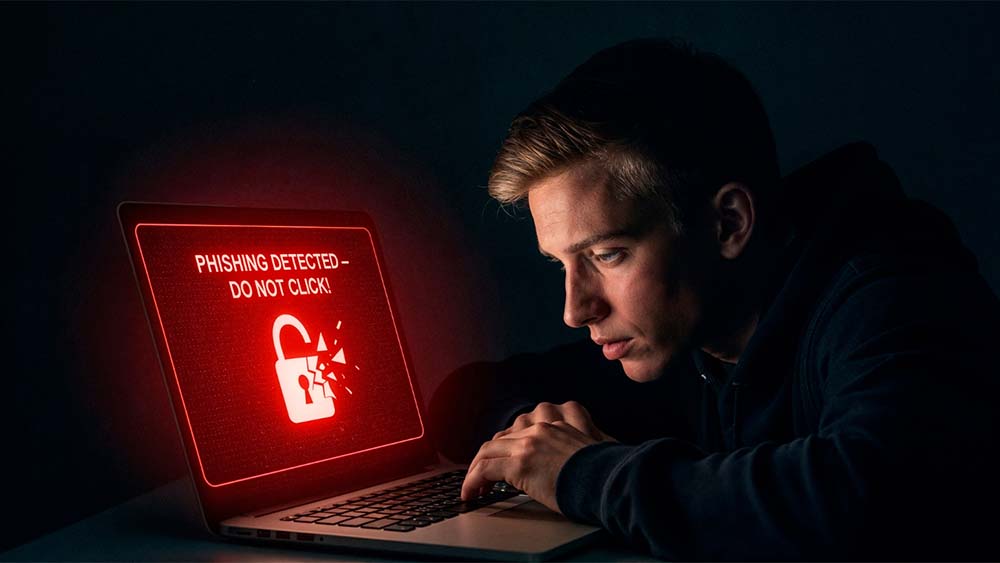
Phishing is among the most frequent cyber-attacks. Criminals send fake messages, emails or websites that fool users into divulging sensitive data such as passwords or credit card information.
Signs of Phishing Emails
- Language that is urgent or potentially threatening
- Suspicious links
- Poor grammar or spelling
- Demands to access sensitive data
- Unknown addresses for senders
How to Stay Safe
- Never click suspicious links
- Verify the identity of the sender
- Make use of filters to block spam
- Be wary of downloading unidentified attachments
2. Malware
Malware is a malicious program designed to harm computers or steal data. Some common types include:
- Viruses
- Worms
- Trojans
- Spyware
- Ransomware
Malware typically spreads via malware-infected downloads, email attachments or compromised websites.
Protection Tips
- Install an effective antivirus software
- Keep your software up to date
- Do not download files from unknown sources
- Make sure you scan USB drives prior to using
3. Weak Passwords
Passwords that are weak make it easy for hackers to gain access to accounts.
Examples of Weak Passwords
- 123456
- password
- qwerty
- birth dates
Create Strong Passwords
A secure password should include:
- Lowercase and uppercase letters
- Numbers
- Special characters
- At at least 12 characters
Example format:
T9!kP#82mL@x
4. Social Engineering
Social engineering is the art of manipulating people to give away secret information.
Attackers could appear to appear to
- Bank employees
- Agents for technical support
- Employees of the Company
- Officials from the government
Prevention Tips
- Never share passwords with anyone via either email or phone.
- Verify the request independently
- Be aware of unexpected phone calls or messages
5. Ransomware
Ransomware locks or decrypts files until a ransom is paid.
How It Spreads
- Malicious email attachments
- Unsafe downloads
- Exploited software vulnerabilities
How to Protect Yourself
- Backup important data regularly
- Update operating systems
- Avoid suspicious websites
- Make use of endpoint security software
Essential Cybersecurity Practices
After you’ve learned about the dangers, let’s look at the best practices for cybersecurity that every person should adhere to.
Use Multi-Factor Authentication (MFA)
Multi-factor authentication offers an additional layer of security as it requires additional verification, beyond the use of a password.
Common MFA methods are:
- SMS verification codes
- Authentication apps
- Fingerprint scans
- Face recognition
Even if hackers get the password you have entered, MFA makes it harder for them to gain access to your account.
Keep Software Updated
Software updates usually include security patches that address vulnerabilities.
Always be up to date:
- Operating systems
- Browsers
- Mobile apps
- Antivirus software
- The Router and the smart device
Refraining from updating can expose you to cyber-attacks.
Secure Your Wi-Fi Network
Unsecure Wi-Fi networks allows hackers to access your personal data.
Wi-Fi Security Tips
- Make use of WPA3 as well as WPA2 encryption
- Change default router passwords
- Hide your network if necessary
- Do not use Wi-Fi in public areas for sensible activities
When you connect to Wi-Fi on public networks think about the use of a VPN.
Backup Your Data Regularly
Data backups can protect you from malware, hardware failure as well as accidental deletion.
Backup Best Practices
- Use cloud storage
- Backup your external data
- Make backups automatically and regularly
- Make copies offline as often as possible.
Backups can protect you from losing important information for ever.
Be Careful What You Share Online
Social media sharing can reveal personal information, which hackers can use to scam you and identity theft.
Avoid sharing:
- Home addresses
- Telephone numbers
- Financial information
- Plans for vacation
- Sensitive work details
Privacy settings should be checked on a regular basis.
Cybersecurity for Mobile Devices
Smartphones are a common target for cybercriminals.
Mobile Security Tips
- Download applications only from authorized stores
- Make biometric locks available
- Beware of jailbreaking or rooting devices
- Make use of mobile antivirus applications
- Be sure to keep Bluetooth off when not when you are not
Mobile security is as crucial just as security on desktops.
Cybersecurity for Businesses
Small and large-scale businesses face cybersecurity risks of every size. Smaller enterprises are more vulnerable due to the fact that they are often not equipped with sophisticated security measures.
Business Cybersecurity Essentials
- Make sure employees are trained on cyber-smartness
- Install access controls
- Make use of firewalls and endpoint security
- Perform regular audits of security.
- Encrypt sensitive data
Human error is still one of the main factors behind data breaches.
The Importance of Cybersecurity Awareness
Technology alone is not enough to stop cyber-attacks. Education and awareness are equally important.
The awareness of cyber security can help individuals:
- Recognize scams
- Avoid dangerous behavior
- Be sure to protect sensitive information
- Respond promptly to threats
The company should offer regular security education to employees as well as users.
Future Cybersecurity Trends
Cybersecurity is evolving with the advancement of technology.
Emerging Trends Include
- Artificial Intelligence for threat detection
- Security models that are zero-trust
- Biometric authentication
- Cloud security solutions for security
- Internet of Things (IoT) security
As cyber threats become increasingly sophisticated, being aware is vital.
Final Thoughts
Cybersecurity is the responsibility of everyone. It doesn’t require an expert in technology to secure yourself online. Simple things like using strong passwords and enabling multi-factor authentication, regularly updating your software, and remaining aware of scams can dramatically reduce the threat.
By learning about cybersecurity and adopting safe online habits to better safeguard your personal information including financial information, as well as your digital identity.
In an age where cyber-attacks change constantly awareness and protection remain your best defense.
Frequently Asked Questions (FAQs)
What is the most significant cybersecurity threat of the moment?
Phishing attacks are one of the most frequent and dangerous cybersecurity threats since they target human behavior more than technical weaknesses.
How often do I need to alter my passwords?
It is imperative to change your password immediately when an account has been compromised. Otherwise, make sure to use secure unique passwords and use MFA rather than frequent, unnecessary modifications.
Does antivirus software provide enough security?
No. Software to protect against viruses is essential but cybersecurity requires secure browsing habits, solid encryption, frequent software upgrades and awareness of the user.
What do I do if I think I’m the victim of a cyberattack?
Reconnect to the internet and change passwords, conduct security scans, inform the appropriate organizations, and keep an eye on accounts for suspicious activities.
The reason why multi-factor authentication is so important?
MFA provides an additional security layer, which makes it difficult for hackers to gain access to accounts even when passwords are stolen.