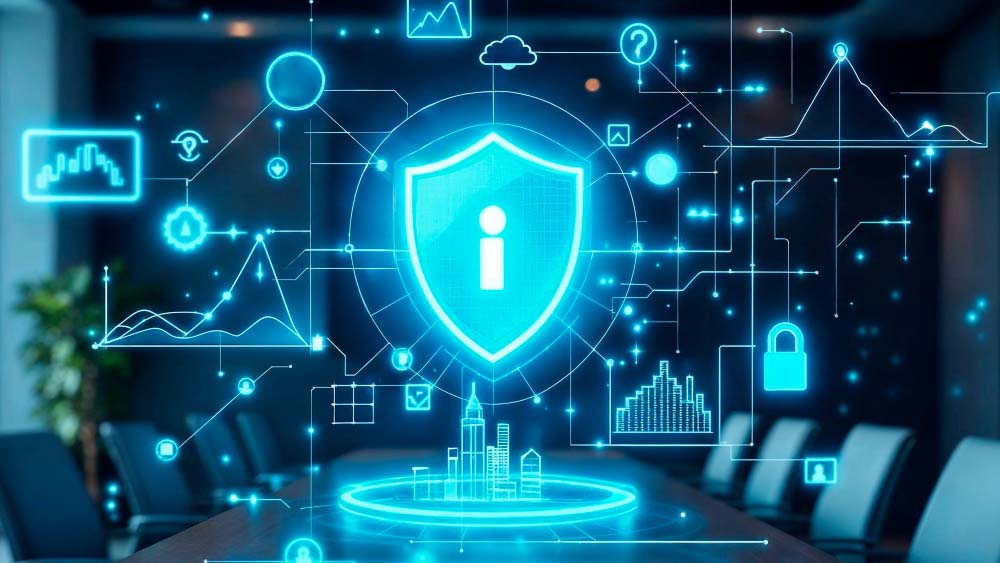

Cybersecurity is typically addressed in relation to encryption, firewalls, and safeguarding companies from hackers. Human rights however typically revolve around liberty, dignity and justice. At first glance the two concepts might appear to be completely different. However, in the modern world of hyper-connected technology, cybersecurity and human rights are entwined.
From privacy rights to freedom of speech Digital security has become a necessity for safeguarding fundamental rights in the digital day and age. Understanding this intersection is essential for businesses, governments and even individuals.
The Digital Age and Human Rights
The Universal Declaration of Human Rights (UDHR) was created in 1948, years before the advent of the internet. However, its principles — privacy, freedom of expression, information access and so on are extremely relevant in today’s digital age.
Technology today is a major factor in virtually every aspect of life such as healthcare, communication banking as well as education and the participation in politics. Without secure cybersecurity the rights that are guaranteed offline could be eroded online.
Key Areas Where Cybersecurity and Human Rights Overlap
1. Right to Privacy
-
Human Rights: Everyone has the right to privacy. This includes security of personal data.
-
Cybersecurity Connection Poor security measures could lead to data breaches, surveillance as well as identity theft.
-
Examples: Leaked medical or financial records could cause long-term injury to people if not secured properly.
2. Freedom of Expression
-
Human Rights: People have the right to freely share their opinions and data freely.
-
Cybersecurity Connection cyberattacks, the use of censorship techniques or surveillance tools can be used to block voices and hinder free communication.
-
Example: Journalists or activists who are subject to cyber-attacks may choose to self-censor in order to stay away from being targeted.
3. Right to Security
-
Human Rights: Individuals should live without dangers and harm.
-
Cybersecurity Connection cyberattacks that target crucial infrastructure (like hospitals or utilities, as well as transport) directly threaten the safety of the public.
-
Example: Ransomware attacks on healthcare systems can cause delays to life-saving procedures.
4. Access to Information
-
Human Rights: People have the right to request and obtain information.
-
Cybersecurity Connection Cybersecurity Connection: on media outlets may restrict access to trustworthy information.
-
Exemple: State-sponsored cyber operations disseminating falsehoods hinders an informed decision-making process.
5. Economic and Social Rights
-
Human Rights: Everyone has the right to work, educate and to participate in society.
-
Cybersecurity Connection Insufficient digital security could restrict vulnerable groups, prevent the opportunities available online or even cause financial loss.
-
Example: Fraud targeting seniors or communities that are marginalized can increase the gap in.
Challenges at the Intersection of Cybersecurity and Human Rights
-
Surveillance in contrast to. Security
Governments frequently justify massive digital surveillance as a precautionary measure however this can be a violation on the rights of privacy of each individual and freedom of expression. -
Corporate Responsibilities
Companies in the field of technology manage huge quantities of personal data. A lack of security or misuse of data (e.g. unauthorised sharing) can be a violation of rights on a massive an enormous scale. -
global inconsistencies
Privacy laws vary across the globe. What is considered as a right in one nation (like the privacy protections of GDPR in Europe) may not apply anywhere else. -
Digital Divide
Access to cybersecurity tools doesn’t come with the same. The vulnerable populations might be less protected online, which can lead to greater dangers.
Building a Rights-Respecting Cybersecurity Framework
To ensure that human rights are protected in the age of digital technology government and other organizations are able to:
-
Use the “privacy through design” method: Build systems with the protection of data and rights for users in mind right from the beginning.
-
Promote transparency It is clear how the data is collected and stored. It should also be clear how data is used.
-
Enhance the accountability of organizations: Require organizations to be held accountable and governments accountable for failing to protect the rights of citizens online.
-
Inform individuals: Provide digital literacy and security awareness, empowering individuals to protect their personal rights.
-
Balance freedom and regulation: Ensure cybersecurity policies do not become instruments of censorship or oppression.
Final Thoughts
Cybersecurity isn’t an issue of technology; it’s an human rights problem. Protecting networks, information, and digital infrastructure is directly linked to ensuring privacy, freedom as well as equality, security, and freedom.
While technology is continuing to transform this world gap between human rights and cybersecurity will only increase. Policymakers, businesses and even individuals share the responsibility of ensuring that security measures do not undermine the basic rights which define the human right to dignity.
In a nutshell: A secure digital world is a fair than a free and safe one.