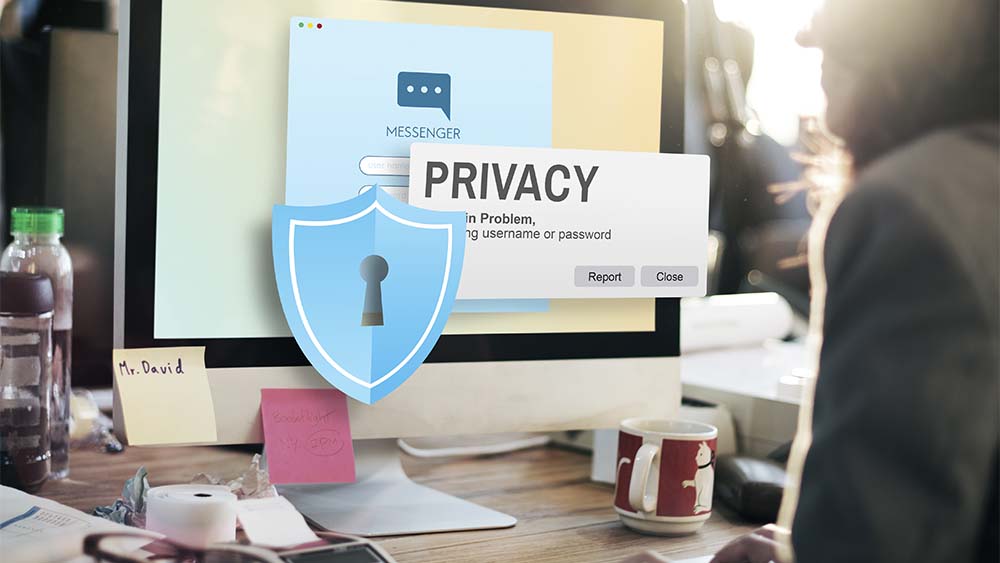

In the current digital age, data is one of the most valuable assets of a business. Companies collect, analyze and then monetize the data of users to improve user experiences, personalize products, and increase growth. But, as the use of data rises and the number of users who use it increases, so do the concerns of consumers about security, privacy and trust.
What was once thought of as a legal requirement becoming an strategically-oriented business advantage. Companies that are committed to protecting their data do not just avoid penalties but are also gaining trust from customers and enhancing brand recognition and improving their competitive position.
This article examines how privacy of data is becoming an edge in competition and how companies can use it to ensure long-term success.
The Growing Importance of Data Privacy
Over the past 10 years numerous data breaches that have been infamous and misuse of personal data and heightened surveillance have altered the public’s perception. The public is now more aware of the ways in which their personal information is gathered and stored as well as shared.
The main factors that drive this shift are:
-
More digital transactions and online services
-
Data breaches and cybercrime are on the rise.
-
More awareness of personal data rights
-
Data protection regulations for the entire world are stringent.
In the end, privacy has become a crucial aspect of decision-making when customers are deciding between brands.
Data Privacy Builds Consumer Trust
Trust is the basis of a successful business relationship. If customers feel secure that their personal data is protected they are more likely to interact in conversations, share data and stay loyal.
Companies that adhere to solid privacy practices profit from:
-
More customer retention rates
-
More willingness to exchange information
-
Stronger long-term relationships
-
Positive word-of-mouth marketing
However, companies that misuse data typically suffer reputational damage that could be difficult to fix for years.
Privacy-Focused Brands Stand Out in the Market
As privacy concerns increase consumers seek out brands that are respectful of their data. The transparency of privacy guidelines, the ethical use of data and robust security measures assist businesses stand out from their competitors.
The privacy message can become a potent brand signal when businesses:
-
Explain the process by which the data is gathered and how it is used
-
Offer user control over personal information
-
Beware of data collection that is not necessary
-
Be transparent about privacy commitments
This is especially important in highly competitive industries in which products and prices are the same.
Regulatory Compliance as a Strategic Advantage
Regulations governing data protection like GDPR, CCPA and other international privacy laws have transformed the landscape of business. While compliance might seem daunting businesses that implement privacy-by-design methods reap several advantages:
-
Minimized risk of legal battles and fines.
-
Market expansion faster into controlled areas
-
Better internal data management
-
Improved operational efficiency
Businesses that actively meet or exceed the requirements of regulatory agencies are better off as opposed to those scrambling in an effort to keep up.
Privacy Enhances Data Quality and Security
The collection of less, but more relevant data enhances privacy as well as the business outcome. If companies concentrate on essential consent-based data collection they usually encounter:
-
More accurate and cleaner data
-
Lower storage and management costs
-
Security vulnerabilities have been reduced
-
Better analytics and more insights
Privacy-focused practices that are strong naturally go along with stronger cybersecurity, which reduces the risk of security hacks and downtime.
Competitive Advantage in B2B and Enterprise Markets
Privacy is no longer an issue for consumers. In B2B environments, companies often evaluate vendors on their data security standards.
Companies that have strong privacy policies profit from:
-
Faster enterprise deal approvals
-
Easier vendor risk assessments
-
Stronger partnerships
-
Credibility is increased in industries that are regulated.
For SaaS Fintech, healthcare cloud providers, security is typically an important crucial factor to close deals.
Future-Proofing the Business
Privacy requirements will continue to change with the advancement of technology, such as AI, IoT, and big data analytics. Companies who are investing on privacy are now better equipped to deal with:
-
The new regulations have been updated and there are compliance obligations
-
Changes in consumer expectations
-
New data ethics standards for data
-
Sustainable digital transformation
Privacy as a fundamental value, not just a checkbox will ensure long-term stability and expansion.
How Businesses Can Leverage Data Privacy Strategically
To make data privacy an advantage in the market, companies must:
-
Use privacy-by-design principles across all products and services
-
Be honest regarding data use and policies
-
Allow users by letting them control their personal information
-
Make investments into security infrastructures and education
-
Align privacy efforts to brand messages
When privacy is a an integral part of corporate the culture, it enhances all aspects of company.
Conclusion
Privacy in data isn’t an obligation of law, but an significant competitive advantage. Businesses that place a high value on ethical practices in data, transparency, and the trust of their users will be more successful in an ever-more privacy-conscious society.
Organizations and consumers alike seek greater transparency, data privacy will remain the main factor that distinguishes industry leaders from the other. Businesses that embrace this paradigm shift today will benefit from trust and loyalty as well as an edge in competitiveness that will last for years to come.