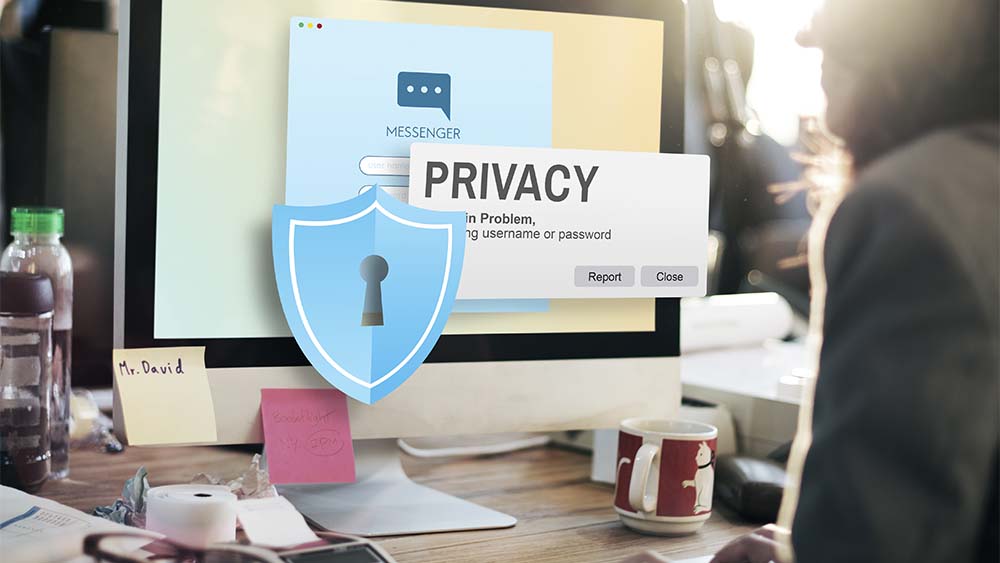

For many years security was considered an administrative task that was handled by IT professionals working in the background. Antivirus software, firewalls and system updates were thought to suffice to ensure the security of organizations. This mindset is now dangerously outdated. Cybersecurity is not only an IT problem, but it’s a crucial management, leadership and organizational problem.
As cyber threats become more sophisticated and the digital systems are integrated into every aspect of business, the effects of a cyber attack extend far beyond networks and servers.
The Changing Nature of Cyber Threats
Modern cyberattacks are no anymore purely random or technical. These attacks are targeted motivated by money and purposefully created to disrupt business operations. The attackers exploit not just software vulnerabilities, but also human behaviour, third-party relationships and processes within organizations.
Ransomware, phishing attacks, supply chain attacks, as well as account takeovers have the capability of stalling production, divulging customer information, sabotaging reputation of brands, and prompting regulatory investigation. These results affect all levels of the company, not only the IT department.
Cybersecurity Directly Impacts Business Operations
If a cyber attack occurs, the business operations usually stop. Websites are shut down and customer service is disrupted and payment systems are unable to function employees are left without access of essential tools. The costs of downtime can be catastrophic, particularly for companies that rely on digital channels to generate revenue.
Cyber-related disruptions to operations attacks underscores the need for cybersecurity to be incorporated into plan for disaster recovery. It is an essential operational risk that leaders should address in a proactive manner.
Financial Losses Extend Beyond IT Budgets
The financial consequences of cyberattacks goes beyond the expense of fixing systems. Companies face loss of revenue and ransom payment as well as legal costs, fines from regulatory agencies, and increased insurance costs. In the long run, these losses could also be diminished market value as well as customer retention.
Investments in cybersecurity should be seen as risk-reducing strategies, instead of technical costs. If the leadership is aware of the financial implications of security, it is viewed as a top priority in the boardroom instead of as an afterthought.
Brand Reputation and Customer Trust Are at Risk
Trust is among the most valuable assets of a company as cyber attacks can ruin it in an instant. Data breaches that involve financial or personal data can make customers lose faith in the company’s ability to safeguard them.
In this digital age of the internet and instant news reputational damage is quickly spread. How an organization responds to a cyber incident–transparency, speed, and accountability–can determine whether customers stay or leave.
Human Error Is a Major Security Vulnerability
Employees are typically an initial line of defence against cyber attacks however, they’re also among the most commonly exploited attack channels. Social engineering, phishing emails strategies and theft of credentials are based on human errors instead of technical weaknesses.
This is why cybersecurity should involve all departments. Regular education, awareness programs and an accountability culture are vital. The need for security awareness has become an option, it is an obligation shared by all.
Third-Party and Supply Chain Risks Affect Everyone
Modern companies rely heavily on third-party suppliers, cloud services and other external partners. Security issues in one vendor can be a threat to multiple organisations at once. These supply chain incidents show the dangers of cybersecurity extend far beyond the internal systems.
Legal, procurement and compliance teams need to work together to identify risks for vendors and enforce security standards and keep track of compliance. Collaboration across functional lines is crucial in today’s highly interconnected world.
Compliance and Regulatory Pressure Is Increasing
Cybersecurity and data protection regulations are getting more stringent across the globe. Regulations like GDPR CCPA along with industry-specific regulations can impose severe penalties for not complying. These rules have an impact on HR, marketing operations, finance, and marketing, not only IT.
Companies must incorporate security and privacy concerns into their processes from the beginning. The concept of compliance is not just just a box procedure; it demands an organization-wide coordination and accountability.
Cybersecurity as a Leadership Responsibility
Board members and executive leadership are required to oversee security strategies. Investors, regulators and consumers expect transparency in the way cybersecurity risks are handled.
Leaders need to understand cyber-related risk in terms of business – impact on operations, revenue and image–and ensure that security is in line with objectives of the organization. The idea of delegating security completely to IT is no longer sufficient.
From Prevention to Cyber Resilience
While protecting against attacks is essential however, companies must recognize it is not possible to make a system 100% safe. It is now shifting towards cyber resilience — the ability to identify how to respond, react cyber-related incidents swiftly.
Cyber resilience is the term used to describe:
-
Incident response planning
-
Regular security tests and audits
-
Strategies for backup and recovery
-
Communication plans that are clear
Resilient companies can ensure the trust and stability even when faced with cyber-related disruptions.
Building a Culture of Shared Cyber Responsibility
Cybersecurity needs to be integrated within the fabric the company. This requires aligning the people process, technology, and processes to achieve a common objective of risk reduction and digital trust.
A solid cybersecurity culture will encourage workers to disclose suspicious activities as well as follow safe practices and recognize their part in securing the company. If everyone is accountable the security of the organization becomes stronger and more durable.
The Future: Cybersecurity as a Business Enabler
In the near future cybersecurity will be seen as an advantage in competition. Companies that safeguard data, provide reliability and have a solid security policy can earn the trust of customers and distinguish themselves in the marketplace.
Instead of stifling advancement, effective cybersecurity facilitates secure digital growth. Businesses can take advantage of new technologies, increase online services, and expand into new markets without fear.
Final Thoughts
Cybersecurity isn’t only an IT issue, it is now an imperative for business strategy. It impacts all departments, each employee and every interaction with customers. Businesses that continue to view security as a strictly technical issue will be exposed to the ever-changing security threats.
By adopting the concept of shared responsibility and investing in resilience as well as elevating security to top management level, companies can safeguard not just their systems, but as well their future.