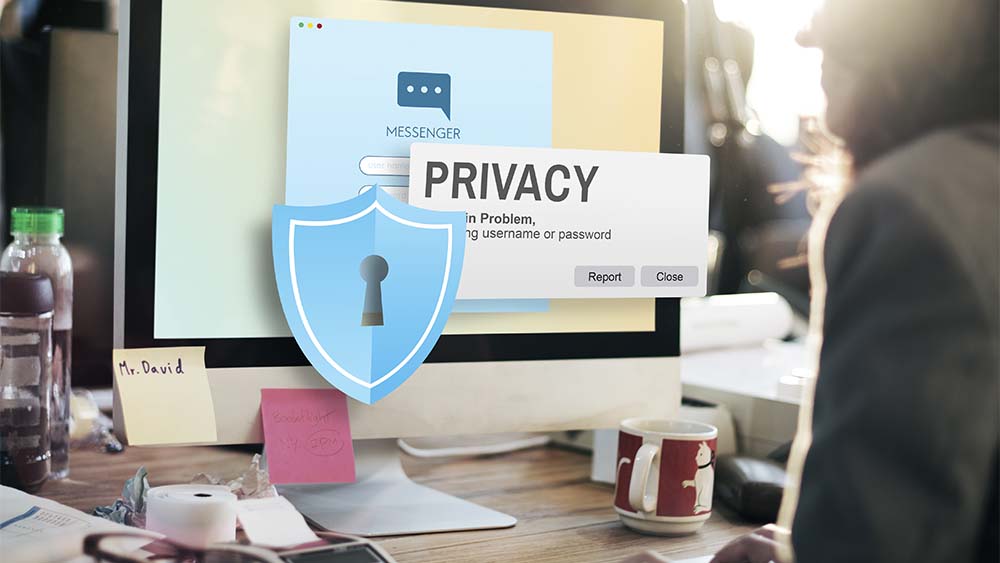

Utilizing Wi-Fi in public places, such as airports, cafes, hotels or libraries — is extremely practical. But it’s also a source of risk. In this article, I’ll explain what could go wrong, why it occurs and ways to protect your self (including practical steps to take right now).
1.) The reason Wi-Fi networks aren’t as secure as you believe
The public hotspots are available in many ways. They are accessible to anyone, with no security and usually created to make it easier rather than providing security. This makes them appealing to hackers.
Here are a few most important risks:
A) Unencrypted networks
If your Wi-Fi connection is accessible (no password) or is not secured properly the device is transmitting data that other users could get access to. For instance, even if you believe you’re communicating something private, somebody could possibly be “listening in” to your connection.
B) “Evil twin” fake hotspots
Attackers create Wi-Fi networks that appear like they belong to (e.g., “CoffeePlace Free WiFi” or “Airport_WiFi”) Then, you sign up thinking that it’s legit. However, it’s actually managed by someone else, and they could monitor all the information you transmit.
c) Man-in-the-middle attacks (MitM)
When you’re on an unsecure network, a person could place theirself between yourself and your recipient (website/server). They could intercept, read or alter the data you send or receive.
D) Distribution of malware and device weaknesses
If you are on a network that is public it can be more easy for attackers to exploit weaknesses on your device, spread malware or get you to install malware.
E) Automated connections as well as sharing of networks
If your device has been set in a way to connect automatically to WiFi networks you may be connected to a malicious hotspot and not even realize it. Furthermore, features like network discovery or file sharing may make your devices vulnerable to users connected to the same network.
F) At-risk activities that require sensitivity
Banking and passwords, logging in to your account, or sending private files – all of these are more risky when you connect to Wi-Fi that is public. Secure networks make your information more easy to steal.
2.) Real-world examples to make it more tangible
An incident from the past one man from Australia has allegedly created fake Wi-Fi networks for free in airports and during flights, and tricked passengers to enter email or social media logins. After entering the login, the device could gain access to more sensitive financial or personal data.
This demonstrates how sophisticated the attacks are. They don’t rely only on unreliable networks, they depend on trust from users and ease of use.
3.) How can you protect you (practical steps)
It’s not necessary to eliminate the public Wi-Fi network entirely, but be aware that it is a risky device and take appropriate precautions. Here are some best ways to use it.
A) Confirm that you’re connected to the legitimate network.
Ask the staff at the hotel or cafe to provide the exact name of the network. Be wary of joining any network that appears suspicious or has a common name such as “Free Wireless.”
B) Disable the automatic Wi-Fi connection
Turn off your device’s “auto-join” choice on your phone to ensure you don’t join unknown networks without even noticing.
C) Disable file sharing or network discovery.
On your mobile or laptop Disable sharing of printers, files and other resources connected to a public network. This blocks other users connected to similar networks from accessing your device.
d) Utilize to use a Virtual Private Network (VPN)
A reliable VPN protects your data between the device you use and VPN server, even in the event that someone intercepts your connection they won’t be able to easily look it up.
e) Make sure to use HTTPS websites
Check that the websites you sign in to begin in “https ://” (check for the padlock icon). Encryption protects your communication en route.
f) Avoid transactions with high risk whenever possible.
If you’re using an open Wi-Fi network, you might want to you should hold off on shopping, banking or even logging into your important accounts until you’re connected to a secure network or using mobile data.
G) Make sure your device’s software is up-to-date
Updates usually fix bugs that hackers exploit. Making sure your browser, OS and apps are updated minimizes your chance of being hacked.
h) Use firewall/antivirus protection
The use of security software and a firewall protects you from malicious connections or malware using a network that is more vulnerable.
I) When you’re done, “forget” the network
If you’ve finished using the public network, you can remove it from the list of saved networks on your device. This stops your device from automatically connecting to a network without your permission.
4.) Other tips for travelers and mobile devices
-
When traveling, you should consider using your phone’s mobile hotspot instead of Wi-Fi in public areas If you can, your mobile network is usually more secure.
-
If you are required to connect to public Wi-Fi when traveling Use your VPN to stay away from entering sensitive information Keep your device secured when it is not in use.
-
Be aware of connecting your device to the public USB ports for charging. The process that of “getting connected” is a risk. (This is not Wi-Fi’s purest form, but is nonetheless connected)
5) The most important takeaway
The internet is great for public use, but be sure to treat it as a borrowed car helpful, but don’t place your valuables out in view. If you follow a few simple rules (VPN and check the network, don’t do sensitive work, or turn off sharing) You can make use of it with greater security and remain connected when you travel.